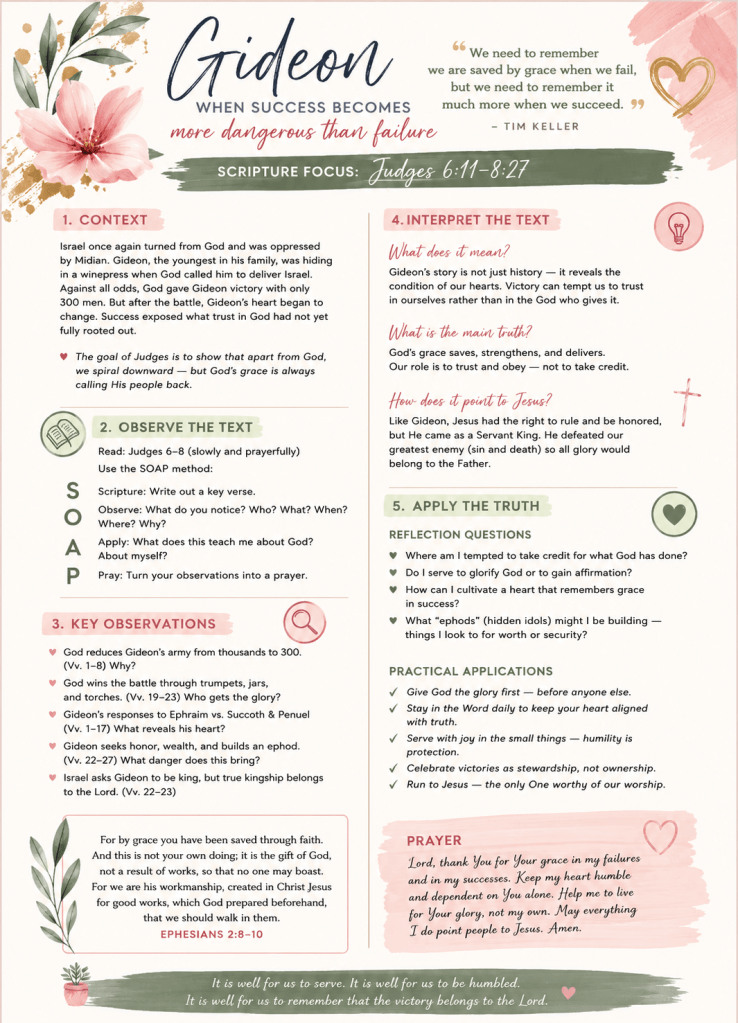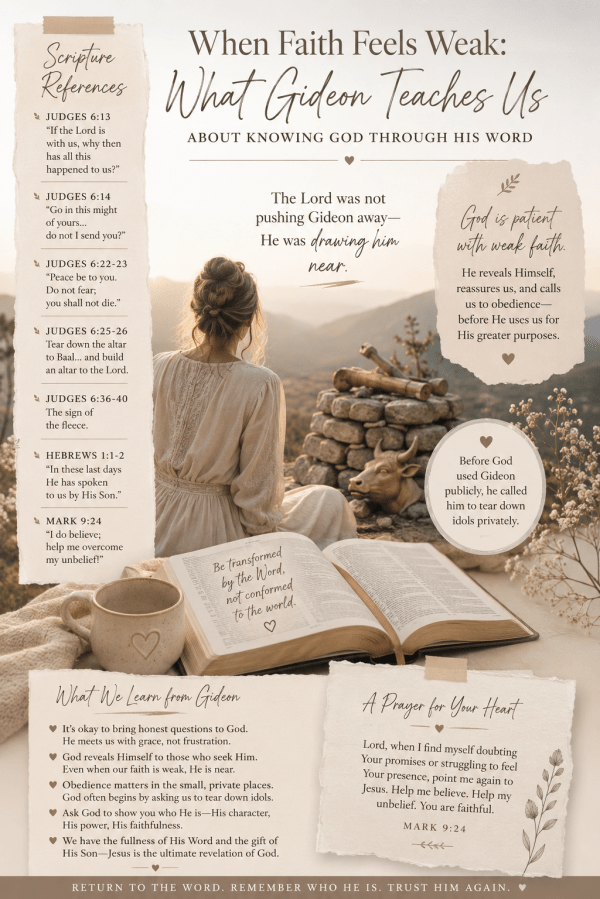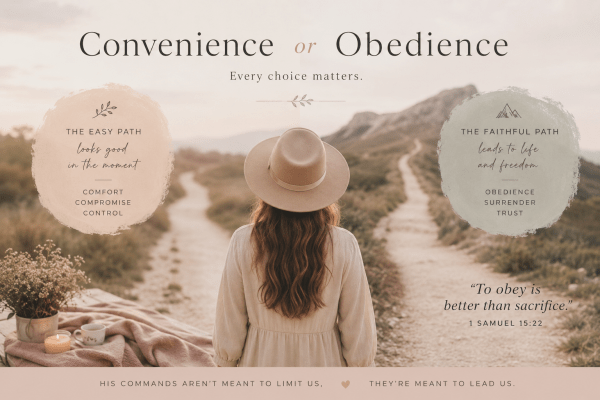
When Convenience Replaces Obedience: A Lesson from Judges 1:28โ€“36

In Book of Judges 1:28โ€“36, we encounter a quiet but dangerous pattern in the life of Israelโ€”partial obedience. God had clearly commanded His people to drive out the inhabitants of the land. This wasnโ€™t arbitrary; it was for their protection, knowing their weakness and tendency to fall into idolatry.

But instead of fully obeying, the Israelites chose a different path.

Again and again, the text tells us they did not drive them out. Instead, they subjected the people to forced labor. From a human perspective, it made sense. It was efficient. Economically beneficial. Less costly. Less exhausting.

But it wasnโ€™t obedience.

As Timothy Keller insightfully puts it, here we see that โ€œconvenience trumps obedience.โ€ What felt practical in the moment became a spiritual compromise with long-term consequences. The very people they allowed to remain would later become a snare.

Even more striking is what we read about the tribe of Dan. In Judges 1:34โ€“35, the Amorites pressed them back into the hill country. Thereโ€™s no indication that the enemy was stronger or better equipped. Instead, it appears they simply had greater resolve. Those who did not know God showed more determination than those who did.

That contrast should stop us in our tracks.


A Pattern Repeated Throughout Scripture

This isnโ€™t an isolated moment. Scripture repeatedly shows us the subtle drift from obedience to compromise.

Consider First Book of Samuel 15. God commands King Saul to completely destroy the Amalekites. Instead, Saul spares King Agag and keeps the best of the livestock. His justification? It would be used for sacrifice to the Lord.

It sounded spiritualโ€”but it was disobedience dressed up as worship.

The prophet Samuelโ€™s response is piercing: โ€œTo obey is better than sacrifice.โ€ (1 Samuel 15:22)

Saul chose what seemed reasonable over what God required.


Or look at Book of Genesis 3. Adam and Eve were given one commandโ€”do not eat from the tree. Yet when temptation came, the fruit appeared โ€œgood,โ€ โ€œpleasing,โ€ and โ€œdesirable.โ€ Convenience, desire, and reasoning overruled obedience.

The result? Separation, brokenness, and the entrance of sin into the world.


In Book of Numbers 20, Mosesโ€”faithful leader of Israelโ€”strikes the rock instead of speaking to it as God commanded. It may have seemed like a small deviation, especially under pressure. But partial obedience is still disobedience. Even Moses experienced the consequence of not fully honoring Godโ€™s instruction.


And in the New Testament, we see a powerful example in Acts of the Apostles 5. Ananias and Sapphira sell property but secretly withhold part of the proceeds while presenting it as the full amount. Their sin wasnโ€™t in keeping someโ€”it was in the deception. They wanted the appearance of obedience without the cost of it.


The Danger of โ€œAlmostโ€

What ties these accounts together is not outright rebellion, but something more subtleโ€”almost obedience.

  • Israel didnโ€™t reject Godโ€”they just didnโ€™t go all the way.
  • Saul didnโ€™t ignore Godโ€”he adjusted the command.
  • Adam and Eve didnโ€™t abandon Godโ€”they doubted His word.
  • Moses didnโ€™t defy God publiclyโ€”he altered the method.
  • Ananias and Sapphira didnโ€™t refuse to giveโ€”they pretended to give fully.

In each case, convenience, reasoning, fear, or desire quietly replaced trust-filled obedience.

And the consequences were never small.


A Call to Examine Our Own Hearts

The truth is, weโ€™re not so different.

We may not be conquering lands or ruling nations, but we face daily choices where obedience to God conflicts with what is easier, faster, or more comfortable.

  • Choosing silence instead of speaking truth.
  • Prioritizing comfort over calling.
  • Justifying small compromises because they โ€œmake sense.โ€
  • Trusting our logic over Godโ€™s Word.

Like Israel, we can convince ourselves that partial obedience is enough.

But God doesnโ€™t call us to what is convenientโ€”He calls us to what is faithful.


Obedience Requires Dependence

Judges 1 reminds us of something critical: Godโ€™s commands are not given because we are strong enough, but because He is faithful enough.

Israelโ€™s failure wasnโ€™t just militaryโ€”it was spiritual. They relied on their own reasoning instead of Godโ€™s power.

And weโ€™re prone to do the same.

True obedience flows from dependence. It says:

  • God, Your way is betterโ€”even when itโ€™s harder.
  • Your wisdom is greaterโ€”even when I donโ€™t understand.
  • Your commands are for my goodโ€”even when they cost me something.

Final Reflection

Where in your life has convenience quietly replaced obedience?

Where have you settled for โ€œalmostโ€ instead of fully trusting God?

The call of Scripture is clear: not partial obedience, not delayed obedience, not convenient obedienceโ€”but wholehearted, faithful surrender.

Because in the end, obedience isnโ€™t about restrictionโ€”itโ€™s about trust.

And trust in God is never misplaced.

Strength in the Struggle: Trusting God in the Tension

There is a tension every Christian must learn to live inโ€”the space where strength and struggle coexist. Itโ€™s not a clean, polished place. Itโ€™s messy. Itโ€™s exhausting. And often, it feels like there is very little comfort in the circumstances themselves.

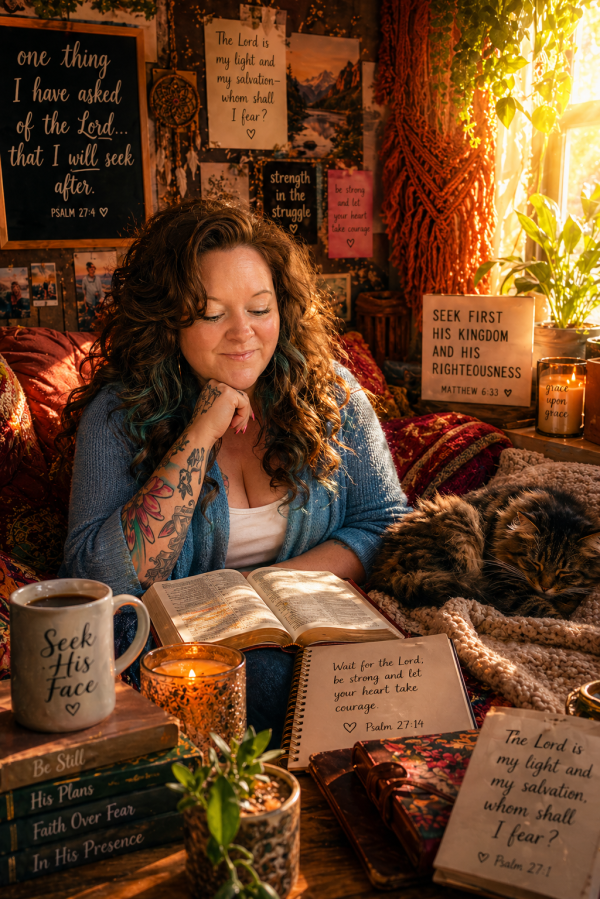
Psalm 27 speaks directly into that tension.

It is a psalm of contrastโ€”lament and confidence, persecution and praise, warfare and worship. David doesnโ€™t present a neat, resolved faith. Instead, he invites us into an honest, layered conversation with God. In fact, throughout the psalm, David engages in three distinct conversations: he speaks about God with confidence, he cries out to God in desperation, and he ultimately speaks to himself with chosen faith.

The psalm begins with bold declaration:

โ€œThe Lord is my light and my salvationโ€”whom shall I fear? The Lord is the stronghold of my lifeโ€”of whom shall I be afraid?โ€

This is Davidโ€™s foundation. Before he addresses his circumstances, he anchors himself in who God is. His identity is rooted in God as his light, his salvation, and his stronghold. And that identityโ€”claimed before the stormโ€”becomes the source of his courage within it.

Verses 1โ€“6 reveal a conversation of confidence. Even with enemies surrounding him, David declares that his heart will not fear. Why? Because his โ€œone thingโ€ is clear: to dwell in the presence of the Lord, to seek Him, to gaze upon His beauty. This pursuit becomes the stabilizing force in the chaos. Seeking God first, before trying to fix everything else, is what leads to a faithful lifeโ€”and ultimately, where true comfort is found.

But the tone shifts.

In verses 7โ€“12, David cries out. This is no longer confident proclamation; this is raw, vulnerable pleading:

โ€œHear me, Lord, when I cry aloudโ€ฆ do not hide your face from meโ€ฆ do not forsake me.โ€

Here, we see desperation. Honest, unfiltered need. David brings his fears, his pain, and even his sense of abandonment before God. He doesnโ€™t pretend to be okay. He prays Scripture back to God, recalls His character, and asks Him to act.

And then, in verses 13โ€“14, something powerful happens. David speaks to himself:

โ€œI believe that I shall look upon the goodness of the Lord in the land of the livingโ€ฆ Wait for the Lord; be strong, and let your heart take courage; wait for the Lord.โ€

This is chosen faith.

Not because everything has changedโ€”but because he chooses to trust that God will show up. The word โ€œwaitโ€ here isnโ€™t passive. It means a hopeful, eager, patient expectation. It is active trust in the โ€œin-between.โ€

This is the tension: desperation and confidence, struggle and strength, all at once.

And if Iโ€™m honest, this week, I didnโ€™t handle that tension very well.

Normally, I thrive in a busy schedule. But this week felt different. I was tired in a deeper wayโ€”the kind that comes from pouring out more than Iโ€™ve been filling back up. My quiet times havenโ€™t been quiet. My workload is the heaviest itโ€™s been in years, with over 70 children and families Iโ€™m trying to serve within a deeply broken foster care system. Grant writing, grocery shopping, meal preppingโ€ฆ. The list is long.

On top of that, my mom has had ongoing medical appointments. Thursdays is a day when my office is supposed to be closed and whatโ€™s supposed to be a day of rest has turned into a full day of caregiving, emotional support, and work responsibilities. Itโ€™s been a lot to carry.

The day looked liked this:

Early morningโ€”meal prepping, feeding fish, frogs, cats, and dogs.
Loving on my sweet boy after another rough night.
Praying with him. Opening the Word togetherโ€ฆ while trying to find a few quiet moments in it for myself.

Then itโ€™s go timeโ€”
Getting ready, rushing out the door, navigating appointments, questions, waiting roomsโ€ฆ
If you know, you know.

Back home for a quick lunch.
Let the animals out.
Sit with Jackson, help with school, breathe for a second.

Then log into courtโ€”
Case after case, report after report, heavy stories, real lives.
Two, sometimes three hearings back-to-back.

And just like that, the clock resetsโ€”
45 minutes (if Iโ€™m lucky)โ€ฆ
Dinner. Sunshine. Evening routine.
Animals again. Wind down. Repeat.

And somehow, it all came to a head over something smallโ€”a grumpy cat with a bad attitude and a misplaced mess. In a moment, everything bubbling beneath the surface spilled out. I reacted in frustration, raising my voice, taking it out on the animals around me.

It wasnโ€™t my best moment.

But it was a revealing one.

In that moment, I realized how much I needed help. Not just practicallyโ€”but spiritually. I started looking into support services for my mom (and Iโ€™m still waiting on those doors to open), and her heart to soften, but more than anything, I knew I needed to return to the presence of the Lord.

Earlier that same day, I had felt prompted to step away from my study in Titus and read Psalm 27. At the time, it felt like a beautiful passageโ€”but I didnโ€™t sit with it deeply.

After my breakdown, I came back to it.

And this time, I saw it differently.

I saw the tension. I saw the honesty. I saw the way David held both struggle and faith at the same time. And I felt humbled. Because what Iโ€™m walking through, as heavy as it feels, pales in comparison to what David enduredโ€”and yet, he still chose to trust.

Scripture is full of this โ€œin-betweenโ€ waiting:

  • Abraham and Sarah waiting for a promised child
  • Joseph waiting in prison for Godโ€™s plan to unfold
  • Hannah waiting in anguish before her prayer was answered
  • David himself, anointed king but not yet crowned

These stories remind us that waiting is not wasted. God works in the tension.

And even more comfortingโ€”God understands the tension.

We are not walking through this alone. We have a Savior who stepped into humanity, who experienced struggle, temptation, exhaustion, and sorrow. He knows what it is to live in the โ€œin-between.โ€ He meets us there with compassion, not condemnation.

So when we failโ€”when we lose our patience, when we react instead of respond, when we feel overwhelmedโ€”we donโ€™t have to run away from God.

We run toward Him.

We return to His presence.

We remind ourselves of who He is.

And we choose, again, to believe:

That we will see His goodness.
That He is still working.
That He can be trusted in every season.

So today, Iโ€™m praying this:

Lord, help me not to walk in condemnation, but in the freedom You provide.
Teach me to seek Your face above everything else.
Strengthen my heart to believe that I will see Your goodnessโ€”even here, even now.
Help me to wait with hope, with courage, and with trust.

Because this is where faith is formedโ€”not outside the tension, but right in the middle of it.

Photo by dalia nava on Pexels.com

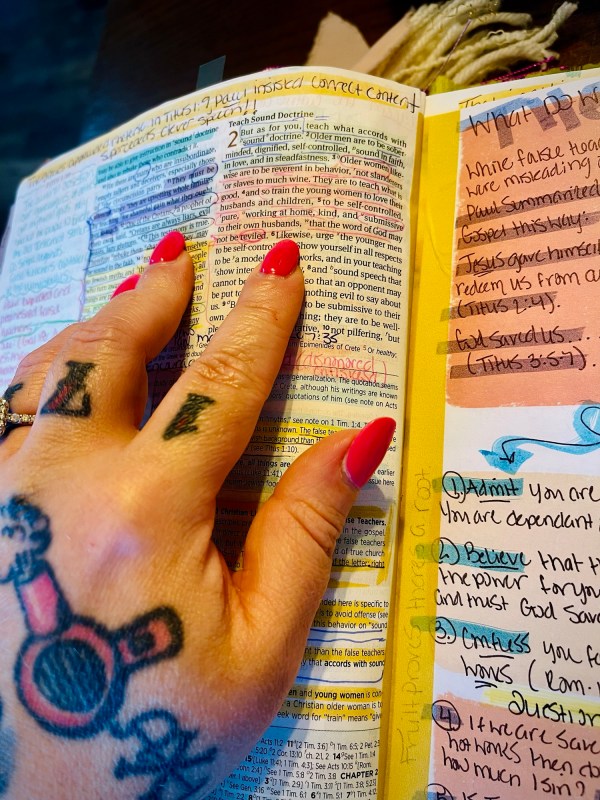
I canโ€™t seem to move past Titus 2:3โ€“5 latelyโ€ฆ itโ€™s been sitting heavy on my heart in the best way.

Paulโ€™s words to women feel both tender and weighty: teach what is good, live what is holy.

One phrase especially stopped meโ€”โ€œnot slanderers.โ€

The word we translate as โ€œslanderersโ€ here is actually the same Greek word for โ€œdevilโ€ or โ€œsatan โ€. That means when we speak maliciously, gossip, or tear one another down, it isnโ€™t small talkโ€ฆ itโ€™s aligning our words with the enemy. Literally devilish speech!

That alone is enough to make me pause before I speak.

Paul also calls women to be diligentโ€”workers at home. Not confined, not limited, but purposeful. We see this beautifully in Proverbs 31โ€”a woman who works both inside and outside her home. The heart behind it isnโ€™t restriction, itโ€™s a warning against idleness and a call to live intentionally.

There is something deeply holy about caring for a home, nurturing a family, and creating a place of peace in a chaotic world. Culture may downplay it, but Scripture lifts it up.

And submission? Itโ€™s not about inferiorityโ€”itโ€™s about humility, order, and reflecting Christ in how we love and serve. Itโ€™s strength under control, not weakness.

In a world that celebrates independence at all costs, this kind of life can feel countercultural. But maybe thatโ€™s the point.

Because at the end of the day, this isnโ€™t about rolesโ€”itโ€™s about representation.

How we speak.

How we love.

How we serve.

How we carry ourselves in the unseen, ordinary moments.

All of it is pointing to something greater.

Lord, help meโ€”and every woman reading thisโ€”to be a faithful ambassador of the gospel today. That matters more than anything.

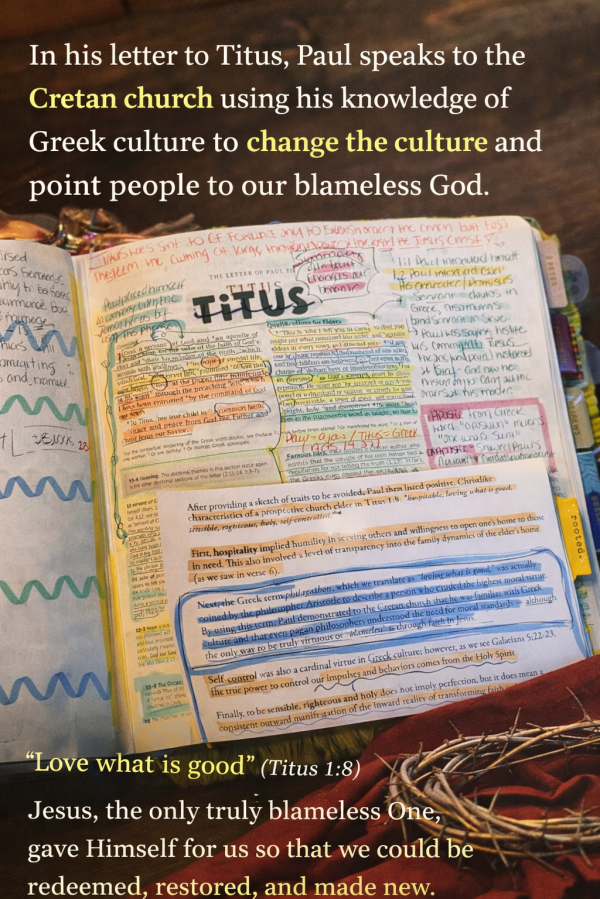
The book of Titus is a powerful reminder that sound doctrine should always lead to transformed living. In this short but rich letter, Paul urges the church to live in a way that reflects the truth of the gospelโ€”marked by integrity, self-control, and a deep love for what is good.

Whatโ€™s incredible is how Paul engages the culture around him. He doesnโ€™t ignore itโ€”he understands it. When he calls believers to โ€œlove what is good,โ€ he uses the Greek idea philagathon, a term familiar in their world and even used by philosophers like Aristotle to describe the highest moral virtue. Paul meets the Cretan people where they are, acknowledging that even their own thinkers recognized the need for goodness and moral standardsโ€”but then he points them to something greater: the only true source of blamelessness, Jesus Christ.

The same is true with self-control. Highly valued in Greek culture, yet ultimately unattainable in its fullness apart from God. As we see in Galatians 5:22โ€“23, true self-control is not something we manufactureโ€”it is fruit produced by the Holy Spirit within us.

To be sensible, righteous, and holy isnโ€™t about perfection. Itโ€™s about a consistent outward life that reflects an inward transformationโ€”a heart changed by faith in Jesus.

And this is where the beauty of Good Friday meets us. The call to live differently isnโ€™t rooted in strivingโ€”itโ€™s rooted in surrender. Jesus, the only truly blameless One, gave Himself for us so that we could be redeemed, restored, and made new.

This Good Friday, we remember: the gift is already given. Freedom is already offered. All that remains is to repent, believe, and receive the grace that changes everything.

Deep dive through Titus this month.

Where you find OR place your identity matters for eternity.

Paul opens up Ephesians by clearly stating his identity:

โ€œThis letter is from Paul, chosen by the will of God to be an apostle of Christ Jesus. I am writing to Godโ€™s holy people in Ephesus, who are faithful followers of Christ Jesus.โ€
โ€ญโ€ญEphesiansโ€ฌ โ€ญ1โ€ฌ:โ€ญ1โ€ฌ

Then – In Ephesians 1:4-10, Paul immediately begins by reminding us of our identity. Our identity in Christ is that we are holy and dearly loved children of God. We get this identity when we receive God’s gift of salvation through the sacrificial death of Jesus Christ. This identity is not based on us, but rather, it is placed on us because we have been adopted into God’s family. Just like when a baby is placed into a family either through birth or adoption, they become a son or a daughter and take that family’s name as their identity. It is the same with our identity in Christ.

This isn’t because of our work, our successes or how good we try to be. We become children of God by grace through faith in Christ.

Paul wants our spiritual identity to frame our minds and thoughts. He desires to help us think rightly so that we may speak and act rightly.

An important truth is that our adoption to the Father is an action of pure love by a God who is not impersonal, but deeply connected and concerned with the objects of His love, you and I! ๐Ÿฅฐ๐Ÿฅฐ๐Ÿฅฐ

I was reminded of this powerful truth this morning – the longer I walk with the Lord sometimes I forget just how broken I was before I surrendered everything to him, and before I understood that my identity comes from him. I grew up in a deeply broken home. My fatherโ€™s hands were representations of pain, hurt, abuse. My mother was so concerned with her own survival that she represented competition, coldness, self centeredness. This all led me to believe I was unworthy of love, safety, I felt as though I had no value.

๏ฟผJust hearing the simple gospel message had the power to begin to change me, it made me spiritually new, but it did not do the deep work ๏ฟผinside of me to change where I found my own identity – only through diligent study of Godโ€™s word and submitting everything to him first before the world – have I been able to come to know and believe that I am my fatherโ€™s daughter.

Friends, let’s not forget that our adoption as children of God comes with an expectation.
When we remember and think of the great and glorious truth of being adopted by the King of heaven and earth, and that we share in the inheritance of the King, it should result in a desire to reflect and live up to the standard of the King and His Kingdom. This means instead of just going along with what the world deems acceptable in our thoughts and our words, that we set a higher standard for ourselves to “be holy and blameless before him” (Ephesians 1:4). To be holy and blameless includes allowing the truth of our adoption to lace the words that come from our mouth and inform every action of our hands and feet. It doesn’t mean we will always do this perfectly, but it does mean that we are daily checking and intentionally redirecting our thoughts and our words to stay in line with God’s instructions. It’s not because we are guilted into it but because we desire to stay free of the entrapments of the enemy that come from thoughts polluted with lies and words tainted with bitterness, slander and harshness.

Adoption means we now have God as our Father. It means that we receive the inheritance that could only legally be given to a son.

This is profound.

#IdentityInChrist #IdentityExploration #themeekmomma #biblejournaling #autismfamily #solagratia #GraceAlone #adoption #testimony

Blog at WordPress.com.

Up ↑