What Leviticus 22 reveals about the heart of God
As I have been reading through Leviticus, I have found myself thinking about something that may seem like an unlikely theme to pull from a book filled with sacrifices:
God’s heart for animals.
For some of us, the sacrificial system can be difficult to read.
If you have a tender heart toward animals, it can be uncomfortable to picture animal after animal being brought to the altar, its life given as part of Israel’s worship.
But as I continued reading, I began to notice something…
The fact that God required animals to be used in Israel’s sacrificial system does not mean that God did not value them.
Quite the opposite.
When we step back and look at the whole story of Scripture, we see a God who repeatedly demonstrates His care for His creation.
Even in the Garden
After Adam and Eve sinned, their shame became immediately apparent.
They recognized their nakedness and attempted to cover themselves.
But Genesis 3:21 tells us:
“And the LORD God made for Adam and for his wife garments of skins and clothed them.”
This is the first recorded place where an animal’s death is connected with covering the shame of humanity.
And what a sobering picture that is.
Sin brought death into the world, and creation would bear the consequences of humanity’s rebellion.
The animal did nothing wrong. And yet humanity’s sin affected the created order.
Romans 8 would later describe creation itself as groaning under the consequences of the Fall.
That means when we encounter animals dying in the sacrificial system, we should not necessarily see a God who is indifferent toward animal life.
We are seeing a world broken by sin.
And God is teaching His people something about the seriousness of sin, the cost of death, and the need for atonement.
God Put Boundaries Around the Sacrifice
Then we arrive at Leviticus.
And something caught my attention in Leviticus 22:27–28.
God gives instructions concerning animals that are being brought for sacrifice.
The young animal was not to be offered until it had been with its mother for seven days.
And then God says:
“Whether the cow or a ewe, you shall not kill it and its young in one day.”
Even within the sacrificial system, God established boundaries concerning how His people were to treat animals.
God wasn’t simply saying, “These animals exist for you to use however you please.”
He was teaching Israel to recognize that life belongs to Him.
There was reverence even in the way an animal was handled.
There were limits and there was restraint.
There was a recognition that God’s people were stewards rather than owners in the ultimate sense.
God Remembered the Animals on the Ark
Think about Noah.
When God judged the world through the flood, He didn’t simply preserve Noah and his family.
He preserved the animals.
Genesis 8 tells us that Noah eventually built an altar and offered burnt offerings from the clean animals and birds that God had preserved.
Then, in Genesis 9, when God establishes His covenant with Noah, the covenant isn’t described as being exclusively with humanity.
It includes the living creatures.
“Behold, I establish my covenant with you and your offspring after you, and with every living creature that is with you.”
— Genesis 9:9–10
That is remarkable.
God’s covenant concern reaches beyond human beings.
His creation matters to Him.
Even Jonah Ends With the Animals
One of my favorite examples is one we can easily read right past, I know I did!
The book of Jonah ends with God confronting Jonah’s heart.
Jonah is angry that God has shown mercy to Nineveh.
And God responds:
“And should not I pity Nineveh, that great city, in which there are more than 120,000 persons… and also much cattle?”
— Jonah 4:11
Even the cattle are mentioned. This literally brought tears to my eyes.
God’s compassion encompasses His creation.
Jonah wanted destruction.
God wanted mercy.
And when God explains His concern for Nineveh, the animals are part of the picture.
I love that.
God Teaches His People to Be Gentle
Deuteronomy gives another beautiful example.
In Deuteronomy 22:6–7, God instructs Israel concerning a mother bird and her young.
If someone came across a bird’s nest with the mother sitting over her young or eggs, they were not simply to take everything.
They were to let the mother go.
Again, there is restraint.
There is wisdom.
There is care.
God was teaching His people that dominion does not mean cruelty.
Having authority over creation does not give us permission to treat creation carelessly.
We are stewards of what belongs to God.
“Every Beast of the Forest Is Mine”
Psalm 50 gives us another glimpse into God’s ownership:
“For every beast of the forest is mine,
the cattle on a thousand hills.
I know all the birds of the hills,
and all that moves in the field is mine.”
— Psalm 50:10–11
God doesn’t merely know about the animals.
He says:
“I know.”
They belong to Him.
And when Jesus teaches His disciples not to be anxious about their lives, He points them toward the birds:
“Look at the birds of the air.”
— Matthew 6:26
If our heavenly Father cares for the birds, how much more does He care for His children?
Jesus uses God’s care for creation to teach us something about the character of our Father.
And Then Isaiah Gives Us a Glimpse of the World to Come
And this is where one of my favorite passages in Scripture comes in.
Isaiah 11.
The prophet gives us this breathtaking picture:
“The wolf shall dwell with the lamb, and the leopard shall lie down with the young goat, and the calf and the lion and the fattened calf together; and a little child shall lead them.”
Then:
“The cow and the bear shall graze; their young shall lie down together; and the lion shall eat straw like the ox.”
And then perhaps one of the most tender images:
“The nursing child shall play over the hole of the cobra, and the weaned child shall put his hand on the adder’s den.”
And Scripture tells us why.
“They shall not hurt or destroy
in all my holy mountain;
for the earth shall be full of the knowledge of the LORD
as the waters cover the sea.”
— Isaiah 11:9
This isn’t merely a beautiful picture of animals.
It is a picture of creation restored under the reign of the Messiah.
The violence and disorder introduced through the Fall do not have the final word.
Jesus does.
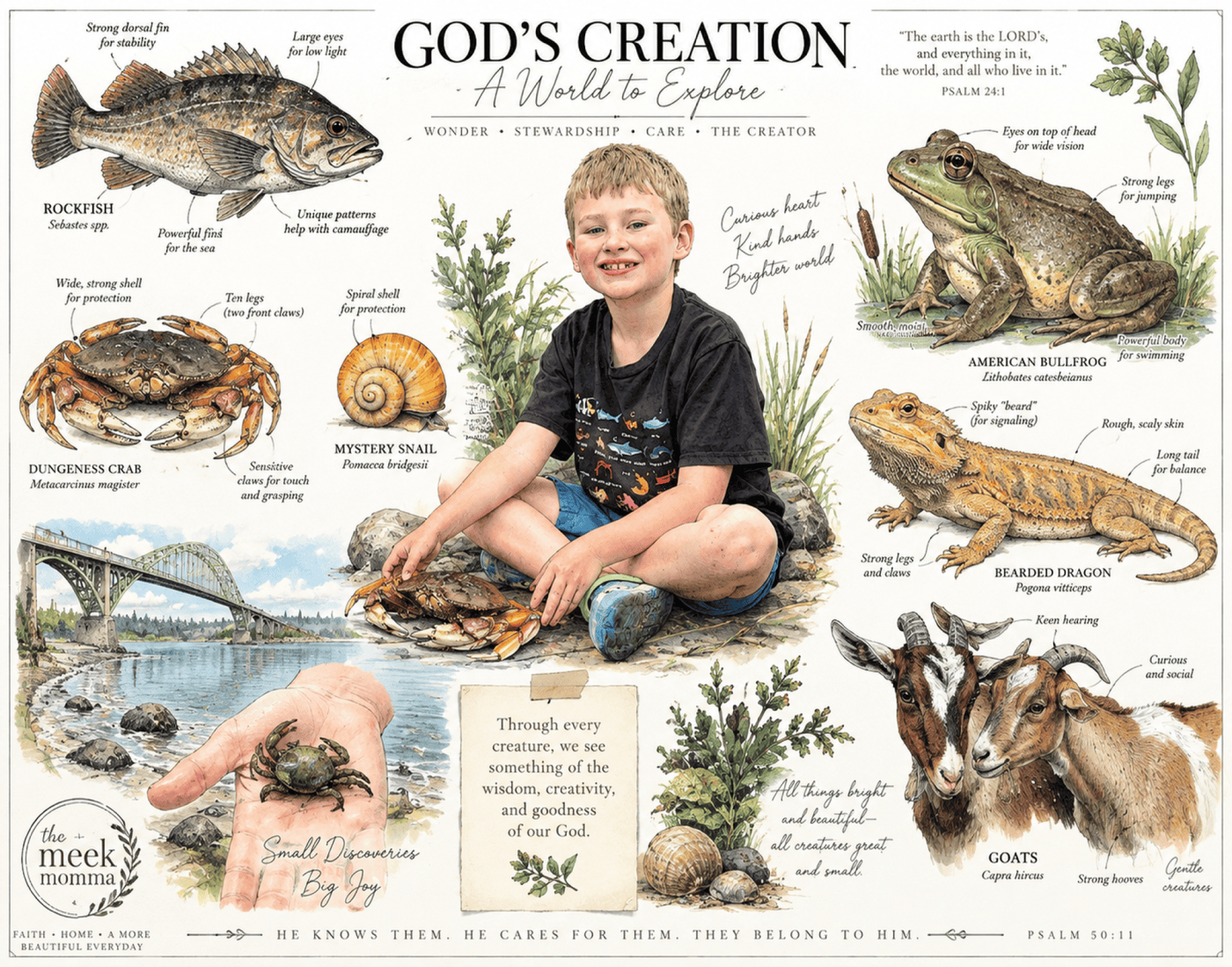
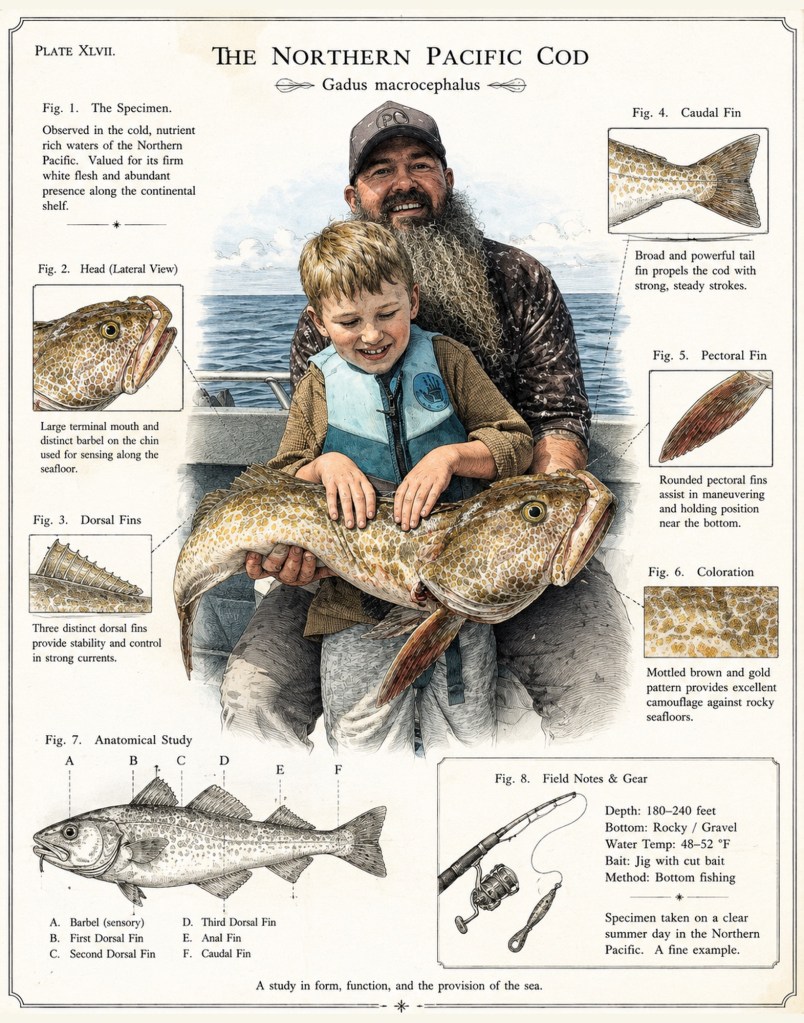
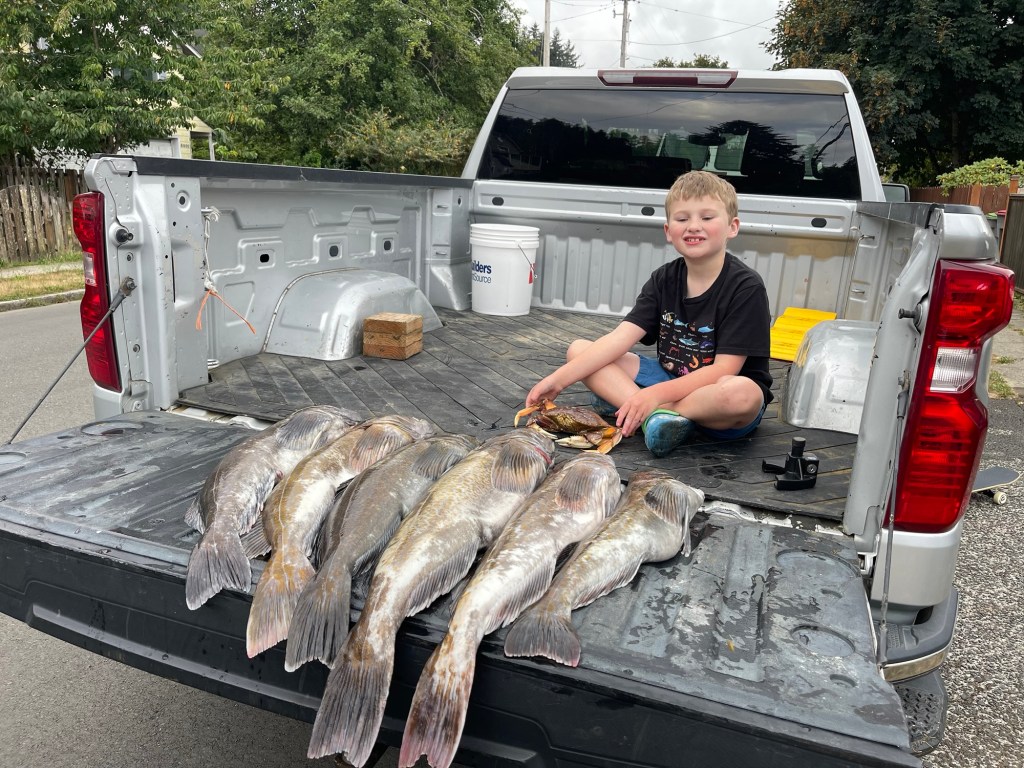
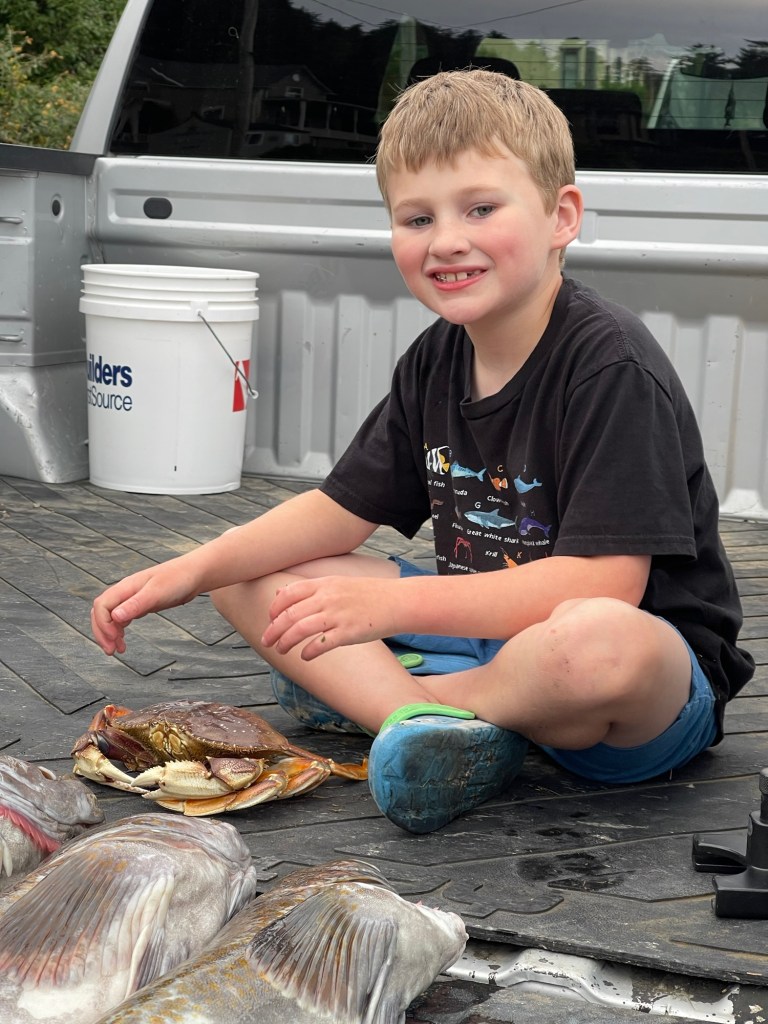
And This Makes Me Think of my son Jackson
This part is especially personal for me.
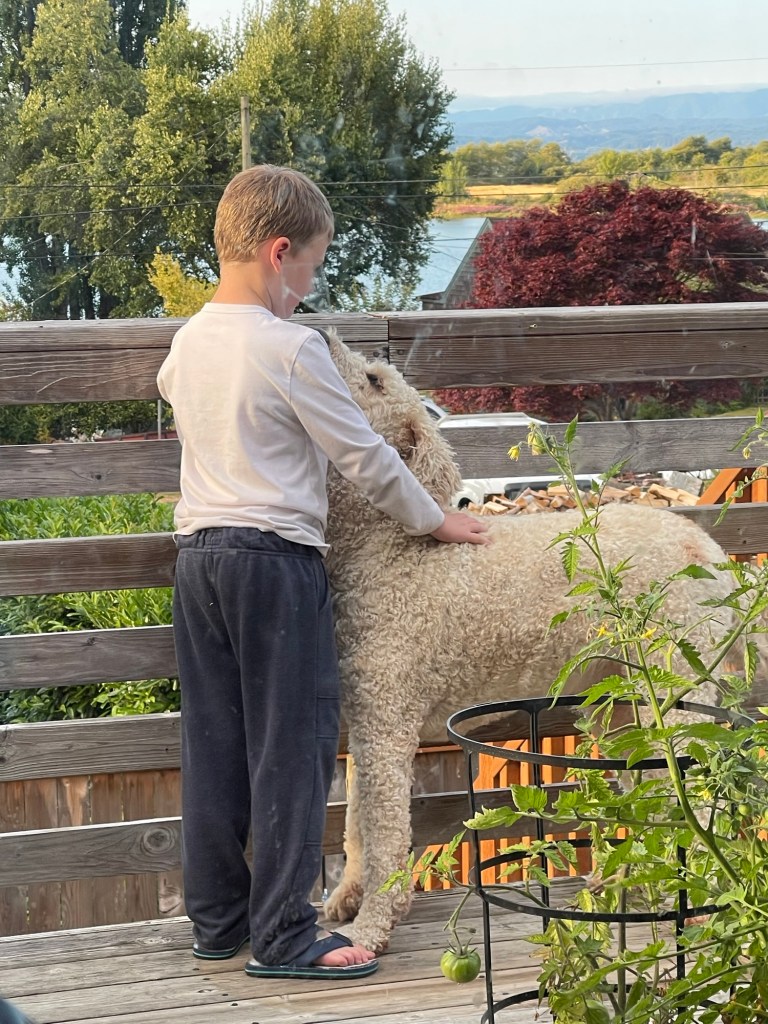
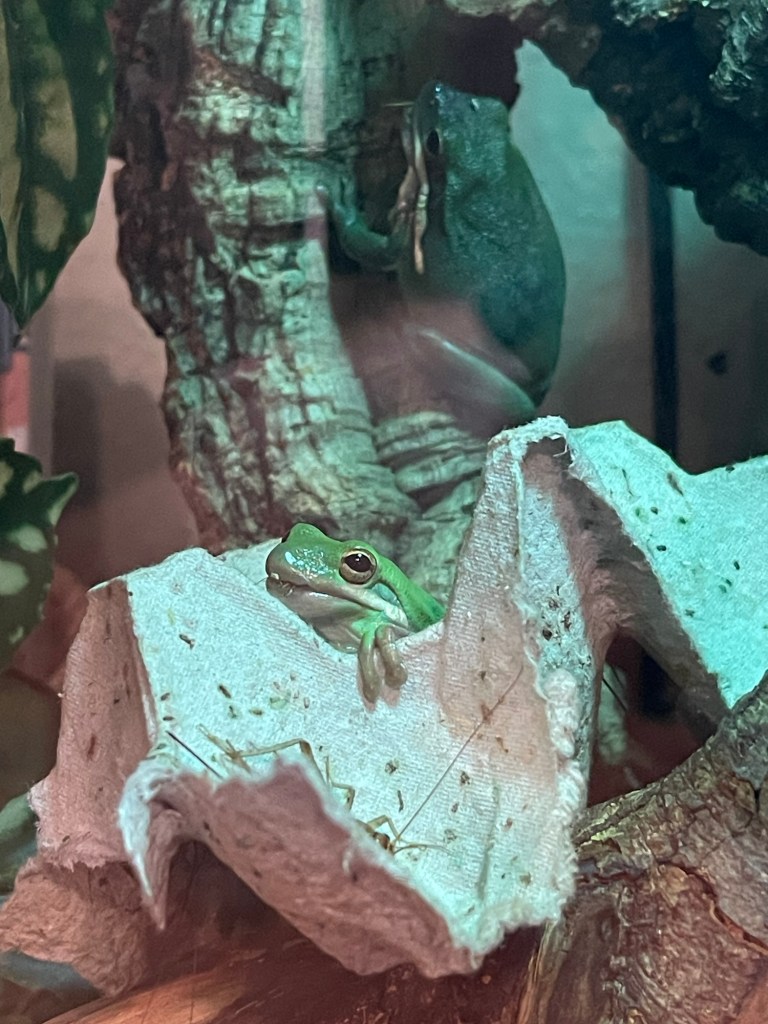
One of the greatest ways I have learned to connect my son’s heart to the heart of God has been through animals.
Jackson’s autism has created some limitations in the way he connects with other people. There are things about communication and relationships that can be difficult for him.
But his connection with animals has always been different.
It is deep.
And over the years, I have watched something beautiful happen.
Again and again, a new interest in an animal has become the beginning of a new door into learning.
A desire to care for an animal.
A desire to understand an animal.
A desire to be near an animal.
A fascination with what an animal eats or where it lives or what it needs.
And somehow, through that little creature God made, another door opens.
A connection happens.
A new question comes.
A new word.
A new understanding.
A new opportunity to teach him about responsibility, gentleness, compassion, stewardship, and the goodness of his Creator.
So many of Jackson’s breakthroughs have begun this way.
With an animal.
Really that shouldn’t surprise me.
Because the God who created Jackson also created the animals he loves.
The God who knows the birds knows my son.
The God who preserved the animals through the flood knows what it means to care for His creation.
The God who told Israel not to take a mother bird along with her young teaches us that compassion is not beneath holiness.
And the God who promises a day when creation will no longer hurt and destroy is the same God who is patiently teaching my little boy to love what He has made.
What a gift.
Holiness and Compassion Belong Together
It can be tempting to read the sacrificial system and think only about blood, death, and ritual.
But underneath these instructions is a God teaching His people how to live in relationship with Him.
Holiness matters.
Life matters.
Sacrifice matters.
Creation matters.
Compassion matters.
Stewardship matters.
And ultimately, all of these things tell us something about the God who made them.
The sacrificial system reminds us that sin is serious and that approaching a holy God is not something to take lightly.
But the instructions concerning the animals remind us that the God who requires sacrifice is not cruel.
He is the Creator.
Every creature belongs to Him.
And when we finally arrive at Christ, we see the fullest expression of both His holiness and His compassion.
Jesus does not treat life casually.
He gives His own.
The spotless Lamb gives Himself.
And through His sacrifice, He begins the work of restoring what sin shattered.
The Lamb and the Restoration of All Things
There is something almost breathtaking about the fact that Scripture’s story begins with creation suffering because of sin…
and ends with creation being restored under the reign of God.
We begin with a garden.
We end with a renewed creation.
We begin with death entering the world.
We end with death defeated.
We begin with humanity hiding in shame.
We end with God’s people dwelling with Him.
And in the middle stands the Lamb.
Jesus.
The One through whom all things were created.
The One who cares for His creation.
The One who became flesh.
The One who gave His life.
The One who was sacrificed for sinners.
And the One who will ultimately make all things new.
So the next time I read about an animal being brought to the altar, I don’t want to see only the difficulty of the sacrifice.
I want to remember the larger story.
Sin brought death into God’s good creation.
God taught His people to take life seriously.
God placed boundaries around how His creatures were treated.
God cared for animals throughout Scripture.
And one day, under the reign of the King, Isaiah tells us:
“They shall not hurt or destroy…”
What an incredible promise.
What an incredible God.
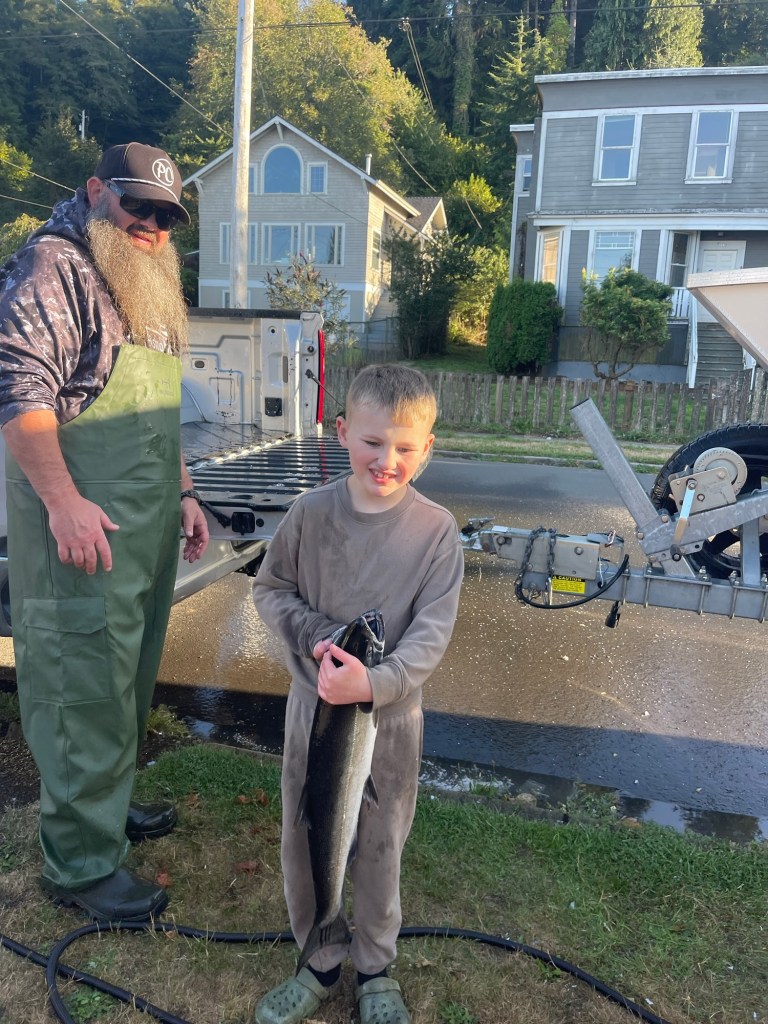
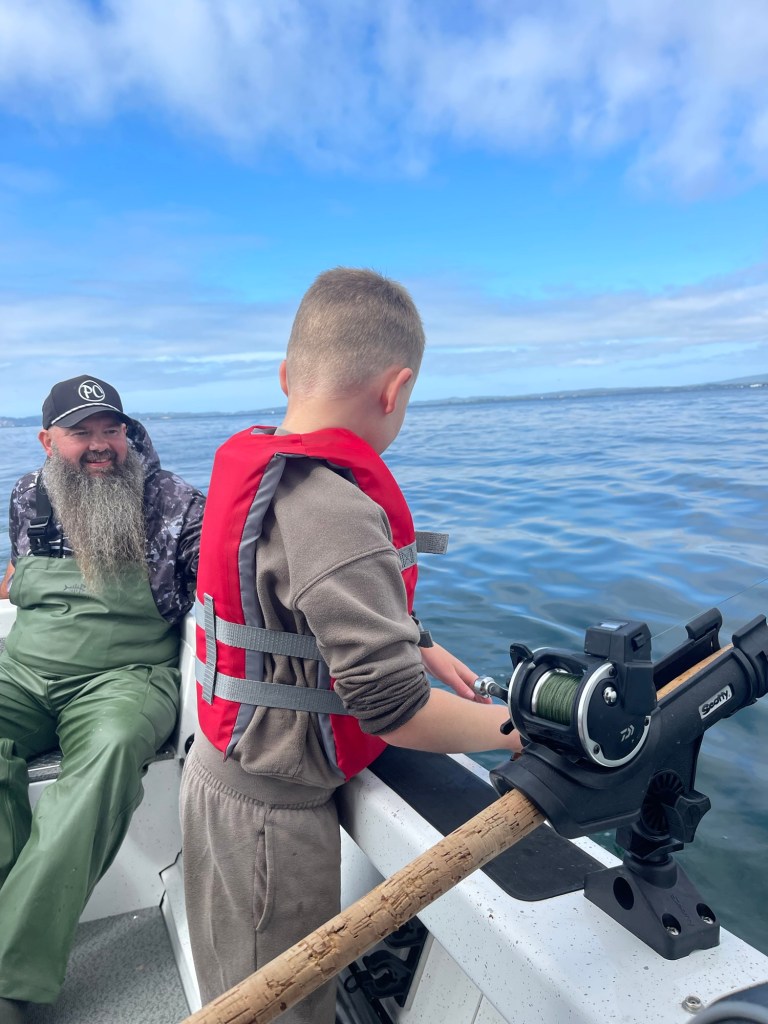
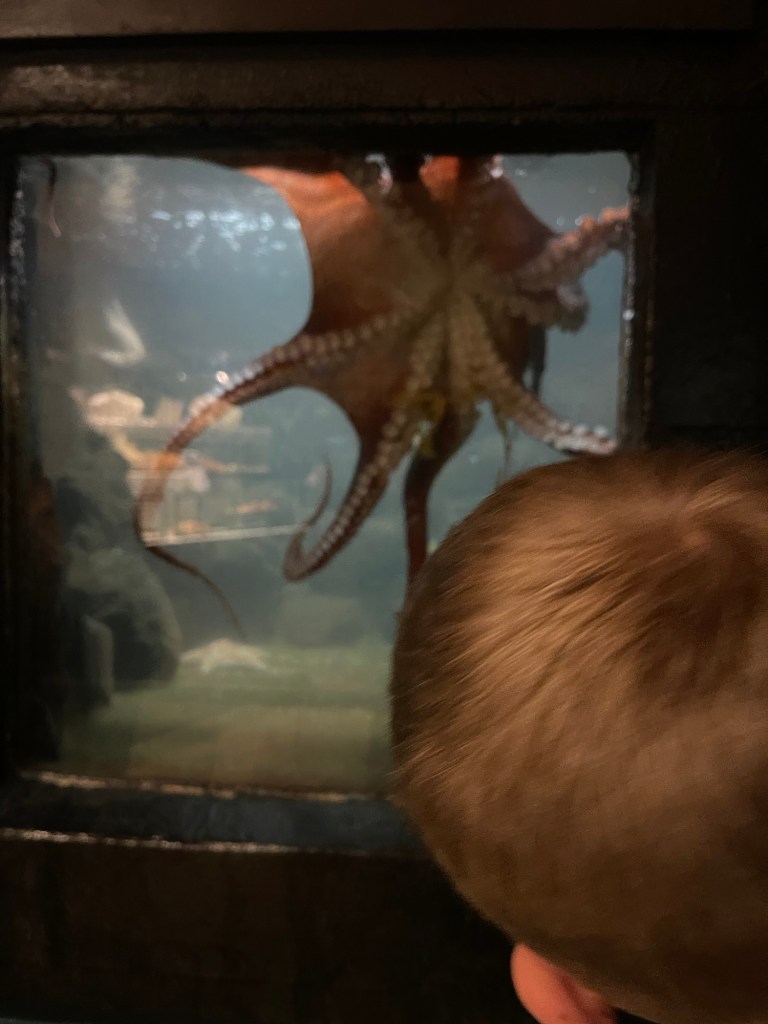
And what a gift that He would use something as simple as an animal to teach a little boy—and his mama—more about His heart.
The God who made them cares for them.
And perhaps, through learning to care for what He has made, we learn a little more about how to reflect the heart of the One who made us all.



Leave a Reply